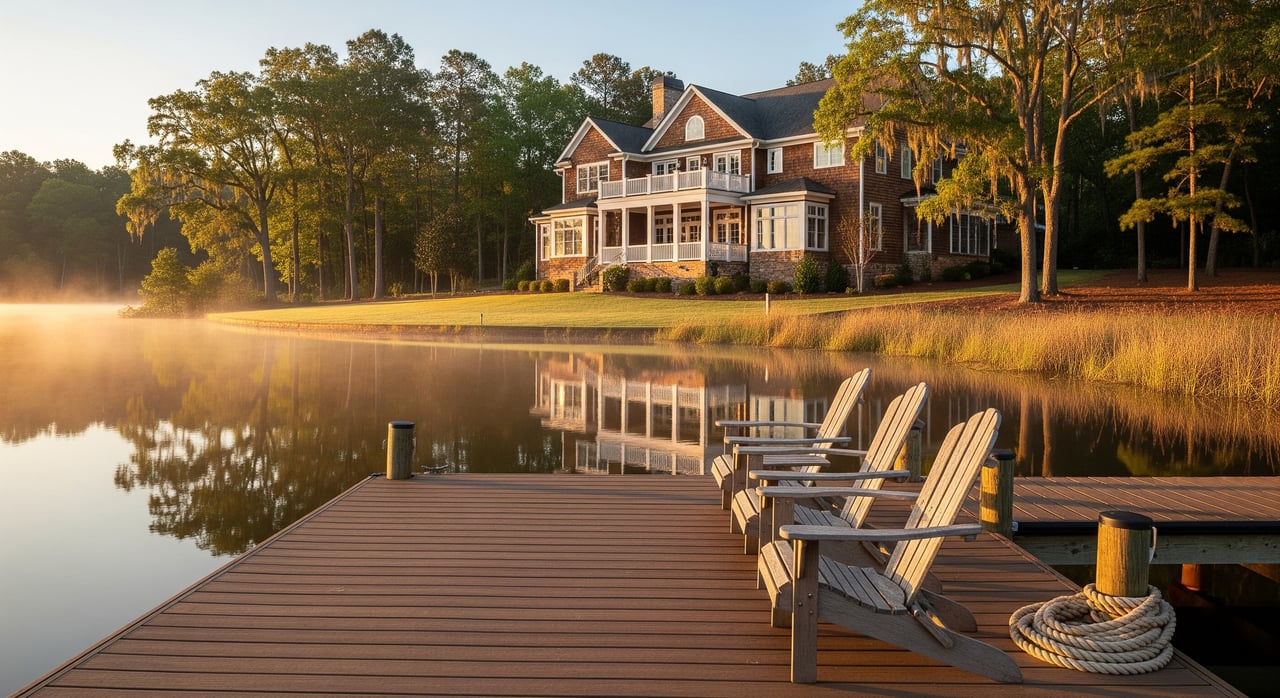
Picture your morning coffee on the dock while the lake is calm and quiet. Now imagine buying that Jackson Lake home with total confidence. You want a clear process, fewer surprises, and a smooth closing. This step-by-step guide walks you through what to check, who to call, and how to protect your investment from offer to after closing. Let’s dive in.
Jackson Lake basics for buyers
Jackson Lake is a reservoir on the Ocmulgee River created by Lloyd Shoals Dam. Reservoirs have regulated water levels and unique shoreline rules. That means your due diligence needs to include more than a standard suburban home.
Confirm the current reservoir operator and their management policies, because those affect seasonal drawdowns, public access, and what you can do with docks and shorelines. Many buyers also consider navigation rules, no-wake zones, and access to public ramps or marinas. Riparian rights, dock permits, and shoreline stabilization are common topics during negotiations.
Step-by-step timeline to purchase
Buying on the lake follows a simple arc. You prepare, you verify, and you close. Use the steps below as your roadmap.
Before you tour
- Research recent sales and active listings around Jackson Lake neighborhoods. Waterfront value can vary by water access, dock quality, and flood zone.
- Identify the jurisdiction for the parcel you plan to tour. Check whether it is within Butts County and note any city or HOA layers that may apply.
- Contact Butts County Planning, Building, and the Tax Assessor to understand zoning, setbacks, recorded covenants, and any dock or shoreline approvals on file.
At the property: what to check on-site
Bring this checklist along. Take photos and note details to review during your contingency period.
- Dock and boat infrastructure
- Ownership: Ask if the dock is included in the sale. Confirm whether it sits on the lot, on an easement, or under any lease.
- Condition: Look at decking, pilings or pipes, corrosion, wood rot, hardware, and boatlift operation. Check outdoor electrical outlets for GFCI protection.
- Mooring capacity: Ask about size limits and clearance at normal water level.
- Shoreline and erosion
- Bulkhead or seawall: Look for tilt, settlement, exposed ends, or signs of failure.
- Slope stability: Note exposed roots, fresh riprap, or recent repairs.
- Water access and level
- Typical depth at the dock and seasonal variation.
- Signs of past drawdowns like visible high-water marks.
- Utilities and site services
- Sewage: Locate the septic tank and drainfield. Ask about pump-outs and maintenance.
- Water: Confirm private well or municipal supply. Note any treatment equipment.
- Power: Look for overhead lines to the dock and the available amperage at the house and dock panels.
- Vegetation and environmental signs
- Algal blooms, unusual odors, fish kills, or invasive aquatic plants.
- Wetland indicators between the home and shoreline, like saturated soils.
Request these documents early
Ask the listing agent or seller for copies during showings or right after mutual acceptance. Reviewing these early can save you time and money.
- Recorded plat and legal description, plus the most recent survey
- Preliminary title report with easements and riparian rights
- Any dock or boatlift permits, leases, or agreements
- HOA or POA covenants and rules related to docks, shoreline, and rentals
- Maintenance reports for dock, bulkhead, or shoreline work
- Septic permit records, pump-out receipts, and any septic inspection report
- Well test results and maintenance history
- Utility bills and property tax records
- Insurance loss history for the property
During your inspection window
This is where lake-specific due diligence matters. Schedule specialized inspections alongside your general home inspection.
- Full home inspection
- Dock and boatlift inspection by a specialist, including electrical safety
- Bulkhead, seawall, or shoreline structural assessment by a civil engineer or seawall expert if there are visible issues or age concerns
- Septic system inspection with a dye test and review of soil-percolation history and setbacks in county records
- Well water testing for bacteria and nitrates, plus metals if locally relevant
- Boundary and topographic survey to verify lines and shoreline access
- Flood determination and an elevation certificate if the property is in or near a FEMA flood zone
- Environmental checks for harmful algal blooms or advisories with state resources
Docks, riparian rights, and permits
Waterfront ownership includes unique rights and limits. Clear understanding here prevents headaches later.
Who owns the lakebed and shoreline
In Georgia, submerged lands under navigable waters are typically owned by the state. Frontage owners generally have riparian rights, but your ability to build or maintain structures can be limited by state and local law and by recorded easements. Confirm requirements with Georgia Department of Natural Resources and county records.
Dock ownership and transferability
Do not assume a dock conveys. A dock can sit on your land, in an easement, or over state-owned bedlands. If a dock straddles an easement or separate parcel, it may not transfer automatically. Your title work should show how the dock is authorized and whether a permit or lease exists. If there is an encroachment or missing authorization, you may need to resolve it before or soon after closing.
Shoreline work and required permits
Most dock or shoreline projects require permits. Butts County can require local building permits. State agencies may regulate work affecting waters or wetlands. In some cases, the US Army Corps of Engineers can be involved for navigable waters or fill. You may also need state authorizations if structures occupy state bedlands. Plan for erosion and sediment control when stabilizing a shoreline.
Septic, wells, and utilities on the lake
Many Jackson Lake homes use septic systems and private wells. Their condition affects health, safety, and value.
- Septic systems: Confirm permit status, tank and drainfield location, and setbacks. Ask for recent pump-outs and inspections. Repairs can be costly and may trigger new permitting and site work, so test early in the contingency period.
- Wells: Request bacteriological testing for coliform or E. coli and a nitrates test. Add metals testing if locally relevant. Review maintenance records.
- Dock power: Outdoor-rated wiring and GFCI protection are important for safety and insurability. An electrical review by your dock specialist is wise.
Flood risk and insurance planning
Lakefront homes carry unique insurance needs. Sorting coverage before closing avoids surprises.
- Flood zones and NFIP: Check FEMA Flood Insurance Rate Maps for Butts County. If the home is in a Special Flood Hazard Area and you have a regulated mortgage, flood insurance is typically required. An elevation certificate can materially affect premiums.
- Timing: New National Flood Insurance Program policies often carry a 30-day waiting period. Start early.
- Private flood options: Private carriers may offer alternatives. Get quotes during your inspection window.
- Homeowners policies: Review coverage for wind, hail, water intrusion, and mold. Docks and boatlifts may need endorsements or separate coverage. Ask about water backup endorsements for sewers or sump systems.
- Boat insurance: A boat is insured separately. Coordinate coverage if a vessel is included in the sale.
Make a strong, safe offer
Your offer should highlight urgency while protecting your interests. Align your contingencies with lake-specific checks.
Title, survey, and easements
Order a title commitment that lists all easements and recorded instruments. A boundary and topographic survey helps confirm dock placement, shoreline features, and access. Elevation data supports insurance planning.
Contract language that protects you
Be specific about items included in the sale. If the dock, boatlift, or other equipment convey, list them in the contract and include identifying details when available. Keep inspection and permitting contingencies in place so you can verify dock authorization, shoreline stability, septic functionality, and flood zone status. If title or permit issues are found, negotiate escrows, repairs, or concessions.
Permitting and approvals before closing
Run permit checks in parallel while you resolve inspection items. Confirm existing authorizations for the dock and shoreline. If documentation is missing, contact the county and relevant state or federal agencies to understand the path to compliance. If you plan near-term improvements, ask about approval timelines and costs now so your project plan is realistic after closing.
Final walk and closing preparation
Before closing, confirm that title exceptions related to dock rights or easements are acceptable. If flood insurance is required by your lender, make sure your policy activation aligns with your closing date. Verify that any agreed repairs are complete and that utility services match your expectations.
After closing: set up for long-term success
- Record transfers for any state submerged land lease if required. Submit permit applications for planned dock or shoreline work before you start.
- Maintain septic and follow best management practices for shoreline care to protect both property value and water quality.
- Monitor reservoir drawdowns with the operator. Confirm navigation rules and local advisories before your first season on the water.
Resale and value tips for lake homes
Waterfront value often hinges on direct water access, dock quality, and flood-zone classification. Detailed records build buyer confidence. Keep permits, inspections, and maintenance logs for your dock, bulkhead, septic, and well. Good documentation today can support a stronger price tomorrow.
Ready to buy on Jackson Lake?
You do not have to navigate this alone. Our local team knows how to coordinate surveys, dock and septic inspections, and the permit checks that lake purchases require. If you want a calm, well-managed path from first tour to smooth closing, let us guide you. Reach out to the team at Bold Move Georgia Real Estate Group to get started.
FAQs
Who owns the dock on a Jackson Lake property?
- Ownership depends on title, easements, and any leases or permits. Confirm dock inclusion in the deed and title work, and verify authorizations with county records.
Can I replace or enlarge an existing dock?
- Often possible, but permits are commonly required by local and state agencies and sometimes by federal authorities. Review covenants and submerged land ownership before designing changes.
Will I need flood insurance for a lake home?
- If the home is in a Special Flood Hazard Area and you have a regulated mortgage, flood coverage is typically required. An elevation certificate helps clarify risk and premiums.
Are docks and boatlifts included in the sale by default?
- Not always. You should list the dock, boatlift, and other equipment as included in the purchase contract with clear descriptions and any available serial numbers.
What should I know about septic systems near the lake?
- Verify septic permits, location of the drainfield, and recent inspection or pump-out records. Repairs can be expensive and may require new permits and site work.
How stable are Jackson Lake water levels?
- Reservoirs can experience drawdowns for maintenance or power generation. Confirm current operating rules with the reservoir operator noted in the property records.
Where do I check for water-quality advisories or algal blooms?
- Review state advisories and any local lake-association reports during due diligence. Include this check as part of your inspection window.
What insurance nuances should I expect for docks and lifts?
- Standard homeowners policies may limit coverage for docks and lifts. Ask about endorsements or separate coverage, and coordinate boat insurance if a vessel conveys.